Posted on 21/10/2026
Wedding flowers for Sutton St Nicholas Church ceremonies: a practical, elegant guide
Planning Wedding flowers for Sutton St Nicholas Church ceremonies can feel wonderfully exciting and a bit nerve-racking at the same time. You want flowers that look beautiful in the church, suit the tone of the day, and hold up properly from the first arrival to the last photo outside the door. That means thinking about more than colour alone. You're balancing seasonality, church setting, bouquet style, buttonholes, aisle details, and the simple realities of timing and delivery. In a place like Sutton St Nicholas Church, where the setting itself already has character, the best flowers tend to complement the space rather than compete with it. This guide walks through exactly how to do that.
You'll find practical advice on choosing arrangements, avoiding common mistakes, understanding what works well for a church ceremony, and planning in a way that feels calm rather than rushed. Truth be told, flowers should make the morning easier, not more complicated. Let's keep it that way.
Why Wedding flowers for Sutton St Nicholas Church ceremonies Matters
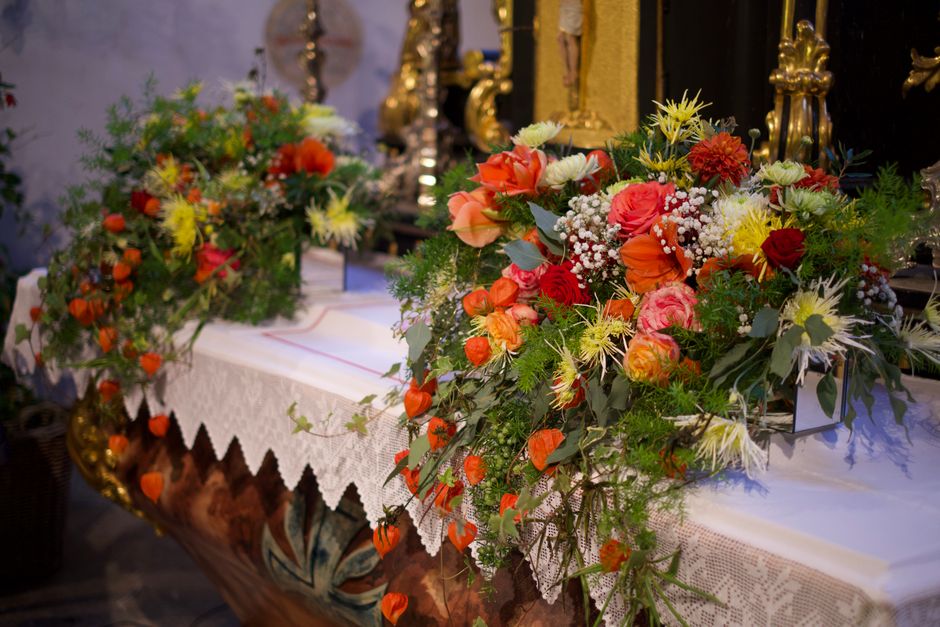
Church flowers do more than decorate a day. They set the emotional tone before anyone has even said a word. For a ceremony at Sutton St Nicholas Church, the flowers frame the entrance, soften the formality of the setting, and help the whole event feel intentional. That matters because church weddings often combine tradition, family expectation, and a very tight schedule. Flowers become one of the easiest ways to make the ceremony feel personal without overcomplicating the day.
There's also a practical side. Church interiors can vary a lot in light, temperature, and available space. Some arrangements look stunning in photos but feel awkward in the aisle or at the altar. Others work brilliantly in the room yet disappear in pictures. The best wedding flowers take both into account. A good florist will think about height, sight lines, movement, and where guests will actually be standing. Small details, big difference.
In our experience, the most successful Sutton church weddings usually have flowers that respect the building and reflect the couple's style. A few well-placed arrangements can do more than an overfilled room ever will. And honestly, that's often the smarter, calmer choice.
How Wedding flowers for Sutton St Nicholas Church ceremonies Works
The process usually starts with the ceremony layout. Where is the couple standing? Is there a central aisle? Will there be pew ends, a registry table, or a floral arrangement near the altar? Once that is clear, the flower plan can be matched to the space rather than guessed from a catalogue picture. That's the point where wedding floristry becomes useful instead of just pretty.
Next comes the style decision. Some couples choose soft whites and greens for a classic church look. Others go for roses, lisianthus, orchids, or a richer blend of seasonal blooms. Sutton St Nicholas Church ceremonies often suit elegant, structured designs because they work so well with traditional interiors. But relaxed meadow-inspired pieces can work too, if they're balanced properly and not too wild for the setting.
A realistic flower plan often includes:
- bridal bouquet
- bridesmaid bouquets
- groom buttonhole
- groomsmen buttonholes
- ceremony arrangements near the altar or lectern
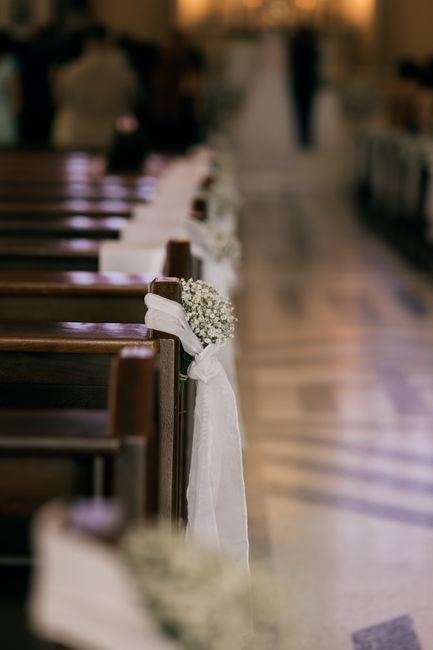
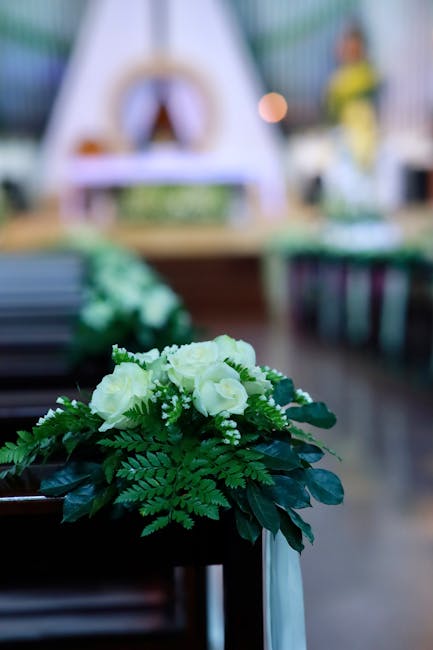
- pew ends or aisle accents, if permitted
- optional flowers for the reception later in the day
Timing is the other big part. Flowers need to arrive fresh, be conditioned properly, and be placed with enough breathing room before guests start arriving. For a church ceremony, that usually means a delivery window that avoids stress. You do not want someone carrying a bouquet while the photographer is calling everyone in a different direction. Been there, seen that, a bit chaotic.
Key Benefits and Practical Advantages
Well-planned wedding flowers give you both beauty and control. They pull the ceremony together visually, but they also reduce the feeling that everything is happening in separate pieces. That sense of coherence is a real benefit, especially if you're juggling transport, family arrivals, and a church schedule that may not leave much room for improvisation.
Here are some of the main advantages:
- They create a clear visual theme. A bouquet, buttonholes, and altar arrangements can all speak the same design language.
- They improve photos. Natural flowers add softness and depth in a way artificial set-dressing often doesn't.
- They can be tailored to the building. Tall arrangements, low posies, and subtle accents each suit different spaces.
- They help guests feel the occasion. Even a modest floral scheme can shift the atmosphere from ordinary to memorable.
- They offer flexibility. You can go simple and elegant, or fuller and more romantic, depending on budget and taste.
One overlooked advantage is comfort. Flowers can help signal where people should gather and where the ceremonial focus is. A well-placed arrangement quietly guides the eye. That sounds minor, but at a busy ceremony it really matters.
Expert summary: For a church wedding, the best floral design is usually the one that looks effortless but has actually been planned carefully. That balance is what makes the day feel polished without feeling fussy.
Who This Is For and When It Makes Sense
This kind of floral planning is for couples who want the church to feel beautifully dressed without losing the calm, dignified atmosphere that a church ceremony naturally has. It's also for anyone who wants practical guidance rather than vague inspiration boards and dreamy pictures that ignore real-world logistics.
It makes particular sense if you are:
- getting married at Sutton St Nicholas Church and want flowers that suit the setting
- working with a modest or medium budget and need to spend wisely
- planning a traditional church service with family photographs afterwards
- hoping to coordinate bouquets, buttonholes, and ceremony flowers in one style
- worried about what the church will allow or how much can be placed inside
It also makes sense if you're not sure whether to keep things minimal or go all out. That's a common dilemma. Do you really need flowers everywhere? Not always. A few considered arrangements can be enough. On the other hand, if you want a fuller look, it's best to do it with intention rather than scatter blooms randomly and hope for the best. Hope is lovely. Planning is better.
Step-by-Step Guidance
1. Start with the ceremony space
Before choosing blooms, understand the church layout. Ask where flowers may be placed, whether there are restrictions near the altar, and whether anything from a previous service remains in place. Churches vary, and a thoughtful plan always starts with the room itself.
2. Set the overall mood
Decide whether you want classic, romantic, modern, seasonal, or quietly rustic. That mood should guide flower choice, vase shape, colour palette, and arrangement size. A romantic look might lean on roses and soft textures, while a cleaner style might use white flowers, orchids, and minimal greenery.
3. Choose the key arrangements first
Focus on the items that matter most: bridal bouquet, bridesmaid bouquets, buttonholes, and one or two ceremony focal points. In many weddings, these pieces do most of the heavy lifting. Everything else can be added later if the budget and venue allow it.
4. Match flowers to season and durability
Seasonal blooms are often fresher, more reliable, and more comfortable to work with. But beauty alone isn't enough. If flowers will be held, carried, or on display for several hours, they need stamina. Roses, lisianthus, orchids, and certain mixed designs often perform well, depending on the time of year and handling conditions.
5. Think about transport and placement
Where will the flowers arrive? Who will place them? If the florist is delivering to the church, make sure someone is available to receive and position them. A bouquet should be with the bride at the right moment, not quietly waiting in a side room while everyone panics. Small coordination issue, massive emotional difference.
6. Review the plan against the budget
Be honest here. If the design needs to be adjusted, adjust the extras first, not the essentials. It's usually better to have one beautiful altar arrangement and well-made personal flowers than a lot of smaller items that don't quite work together.
7. Confirm the final details close to the date
Check timings, colours, names, delivery addresses, and any church-specific instructions. It sounds obvious, but last-minute confusion happens more often than people expect. A quick confirmation can save a lot of stress.
Expert Tips for Better Results
There are a few choices that consistently make church flowers look more polished.
- Use fewer varieties, but use them well. A focused palette often looks more elegant than a busy mix.
- Repeat key colours. If the bouquet includes blush, ivory, and green, echo those tones in buttonholes or altar pieces.
- Mind the scale. Large churches can swallow tiny arrangements. Small churches can be overwhelmed by oversized designs.
- Keep the aisle practical. Guests need to move, photographers need angles, and nobody wants to trip over a display that looked great online.
- Ask about reusable flowers. Some arrangements can move from church to reception with a simple transfer plan.
Another useful tip: think in layers. A bouquet is one layer, ceremony flowers are another, and the reception table flowers are a third. They don't need to be identical, just related. That gives the day a pulled-together feel without becoming repetitive.
If you want a soft, timeless look, white blooms are a safe favourite, but "safe" doesn't mean boring. White roses with texture, or white orchids with greenery, can be surprisingly striking. If you want more colour, use it with restraint so the church still feels like a church, not a festival tent. No offence to festival tents. Just different jobs.
Common Mistakes to Avoid
Even a beautiful flower plan can go off-track if a few basics are missed. These are the things people most often regret later.
- Ordering before checking the church rules. Some placements may not be allowed, or only allowed with agreement.
- Choosing flowers only by colour. A bloom can look right in a photo and still be the wrong size or shape for the setting.
- Ignoring weather and season. Heat, cold, and transport time all affect freshness.
- Leaving buttonholes and small items as an afterthought. They matter more than people think in photos.
- Overcrowding the space. More flowers are not always better. Sometimes they just make the room busier.
- Forgetting who will move the flowers after the ceremony. If arrangements are meant for reception reuse, someone needs to know that plan in advance.
A common one, and this is a bit cheeky but true, is trying to make every arrangement "the main event." The result can feel noisy rather than elegant. Let one or two pieces do the talking.
Tools, Resources and Recommendations
You do not need a bag full of fancy tools to plan good wedding flowers, but a few practical resources make the process easier. A simple mood board, some phone photos of the church, and a clear list of ceremony items go a long way.
Useful things to prepare include:
- photos of the church interior and entrance
- a rough ceremony timeline
- colour samples from dresses, ties, or stationery
- a note of any allergies in the wedding party
- a list of flowers you love, and flowers you definitely don't
- delivery and contact details for the day itself
For product ideas, it can help to look at dedicated wedding ranges such as wedding collections, bridal bouquets, bridesmaid bouquets, buttonholes, and table arrangements. If you want to keep the ceremony itself cohesive, those pages are a sensible starting point. For a fuller floral style, you may also find the i cherish you wedding collection useful for inspiration.
It can also help to browse colour-driven or style-driven options such as white wedding styling, classic romantic collections, or balanced mixed designs. For couples who want a more specific bouquet direction, there are elegant choices like the perfect match bridal bouquet and the perfect match bridesmaid bouquet. Nice and tidy. Sometimes simple is best.
Law, Compliance, Standards, or Best Practice
For church flowers, compliance is usually less about formal regulation and more about respect, permission, and sensible practice. Churches often have their own preferences regarding where flowers can be positioned, whether decorations may be attached to pews or fixtures, and what should be removed afterwards. The safest approach is to ask early and confirm politely rather than assume. That saves everyone awkwardness.
Best practice usually includes:
- getting agreement before placing flowers inside the church
- making sure arrangements do not block walkways, entrances, or sight lines
- checking for any allergy concerns among close family or the wedding party
- avoiding strong scents if the ceremony space is small or enclosed
- using stable containers, water sources, and secure supports for heavier designs
If flowers are being moved from the church to another venue, make sure the transfer is planned in advance. Fresh flowers can handle it, but only if they are transported carefully and someone is assigned responsibility. In UK wedding planning, that kind of handover matters more than people expect.
There may also be practical considerations around sustainability, waste reduction, and reuse. If that matters to you, ask for arrangements that can be repurposed later in the day. Less waste, more value, and the flowers keep working for you. Sensible all round.
Options, Methods, or Comparison Table
Choosing the right style often becomes easier when you compare your options side by side. Here's a straightforward view of common approaches for church wedding flowers.
| Option | Best for | Strengths | Watch-outs |
|---|---|---|---|
| Minimal ceremony flowers | Small, intimate church weddings | Elegant, affordable, easy to manage | Can feel too sparse in larger spaces |
| Classic white and green | Traditional church settings | Timeless, calm, versatile for photos | Needs texture to avoid looking flat |
| Romantic roses and soft pastels | Formal or sentimental celebrations | Warm, graceful, flattering on camera | Can become overly sweet if overdone |
| Seasonal mixed flowers | Couples wanting personality | Fresh-looking, often good value, lively | Requires careful colour control |
| Statement altar pieces | Churches with space for focal floristry | Strong visual impact, beautiful ceremony backdrop | Can dominate a smaller interior |
For many Sutton St Nicholas Church ceremonies, the best answer sits somewhere between classic and seasonal. A composed bouquet, coordinated buttonholes, and one or two thoughtful focal arrangements usually feel just right. Not too much, not too little.
Case Study or Real-World Example
Picture a couple planning a spring church ceremony in Sutton. They want the day to feel polished, but not stiff. The bride likes white roses and soft pink detail. The groom wants something simple for the buttonhole. The church is traditional, with lovely light but not a huge amount of floor space.
Instead of spreading the budget thinly across lots of small displays, they choose a compact plan: a structured bridal bouquet, matching bridesmaid flowers, coordinated buttonholes, and two elegant ceremony arrangements near the front. The florist keeps the palette tight with white, blush, and a little green. Nothing flashy. Everything connected.
What changed? The ceremony suddenly felt intentional. Guests noticed the flowers as they entered, but the space still felt calm and reverent. In the photos, the bouquet and altar arrangements echoed one another nicely. And because the flowers were planned for the church first, there was no awkward scrambling to see what could be moved later. Simple idea, very effective.
That's usually the sweet spot for church weddings. A strong plan, a restrained palette, and enough detail to make the moment feel special without clutter. It's not magic. It's just good florist thinking, really.
Practical Checklist
Use this checklist when finalising Wedding flowers for Sutton St Nicholas Church ceremonies.
- Confirm the ceremony date, time, and arrival window
- Check what the church allows for flowers and where they can be placed
- Choose your main style: classic, romantic, seasonal, or modern
- Decide on bouquet colours and flower types
- List the full set of personal flowers needed
- Confirm whether any aisle, pew, altar, or entrance flowers are wanted
- Ask if arrangements can be reused at the reception
- Check delivery instructions and who will receive the flowers
- Make sure any scents or pollen-heavy blooms suit the venue and guests
- Review the final plan a few days before the wedding
That list sounds straightforward, and it is, but the calm it creates is worth a lot. Weddings move fast on the day. The flowers should feel like the easy part.
Quick takeaway: the best church wedding flowers are beautiful, practical, and coordinated to the building itself. If you plan those three things properly, you're already ahead.
Get a free quote today and see how much you can save.
Conclusion
Wedding flowers for Sutton St Nicholas Church ceremonies should do more than look lovely in isolation. They should support the feel of the service, suit the scale of the church, and make the whole day feel graceful from the moment people arrive. When the flower plan is thoughtful, the ceremony tends to feel calmer too. That's the quiet benefit most couples remember later.
Keep the focus on the setting, the season, and the pieces that matter most. Choose flowers that feel like you, but also like they belong in the room. If you do that, the result will be far more memorable than an overcomplicated display ever could be. And honestly, that's the goal: a beautiful ceremony, a clear head, and flowers that quietly do their job with style.
Frequently Asked Questions
What flowers work best for a church wedding in Sutton St Nicholas?
Roses, lisianthus, orchids, lilies, and mixed seasonal flowers often work well because they can look refined, hold up reasonably well, and suit a traditional church setting. The best choice depends on your colour palette, the season, and how full you want the arrangements to feel.
How far in advance should I arrange wedding flowers for the ceremony?
It's wise to start planning several months ahead, especially if you want a specific style or flower type. Final details are usually confirmed closer to the date, but the core booking should not be left too late. Flower availability can change quickly around busy wedding periods.
Do church flowers need approval before the wedding day?
In many cases, yes. Churches often have preferences or practical rules about where flowers can be placed, whether pew decorations are allowed, and what must be removed after the service. A quick early conversation helps avoid problems later.
What should be included in a typical church wedding flower order?
A typical order may include the bridal bouquet, bridesmaid bouquets, groom and groomsmen buttonholes, and one or two ceremony arrangements. Depending on the space, couples may also choose aisle flowers, pew ends, or reception flowers that match the ceremony styling.
Are white wedding flowers always the safest choice?
White is popular because it feels classic and works in many churches, but it is not the only good choice. Soft blush, green, cream, and seasonal accent colours can also look beautiful. The key is making sure the colours suit the building and do not overwhelm it.
Can church wedding flowers be reused at the reception?
Often, yes. Many arrangements can be moved and repurposed later in the day, provided the transfer is planned properly. If you want this option, tell the florist and the people handling the flowers so the handover is smooth.
How do I keep wedding flowers fresh for a church ceremony?
Choose sturdy blooms, avoid unnecessary delays, and make sure the flowers are delivered and stored correctly before the service. Keep them out of direct heat or cold, and make sure someone knows exactly when they need to be placed. Small timing details make a big difference.
What if my budget is limited?
Focus on the items people will notice most: the bridal bouquet, buttonholes, and one key ceremony display. You do not need flowers everywhere to make the church look special. A few well-designed pieces can be more effective than many small ones.
Should I choose seasonal flowers for a church wedding?
Seasonal flowers are often a smart option because they tend to look fresh, feel natural in the time of year, and can be better value. They also make it easier to create a design that feels grounded rather than forced. That said, your florist can often suggest alternatives if you have a particular favourite bloom.
How many buttonholes do I need for the ceremony?
That depends on who is in the wedding party and who you want to include. Usually the groom, groomsmen, fathers, and sometimes close family members are considered. Make a list early so no one is missed on the day. It happens more than you'd think.
What should I tell the florist before placing an order?
Share the church name, ceremony time, colour scheme, dress details, seasonal preferences, budget range, and any venue restrictions. If you have inspiration images, those help too. The more context the florist has, the more accurately they can design for the space.
Do strong scents matter in a church setting?
They can. Some people love fragrant flowers, but strong scents may feel overpowering in smaller or enclosed spaces, and they may not suit guests with sensitivities. If in doubt, ask for a balanced mix rather than heavily scented blooms only.
Can I keep the floral design simple and still make an impact?
Absolutely. In fact, simple designs often work beautifully in church settings. A clean bouquet, coordinated buttonholes, and one strong focal arrangement can create a polished look without clutter. Sometimes less really is more, even if that sounds a bit too neat to be true.
What is the best next step if I'm still unsure?
Start with the church layout and your budget, then build the flower plan around those two things. Once that's clear, it becomes much easier to choose colours, blooms, and the right amount of decoration. A little structure now saves a lot of last-minute guesswork later.


